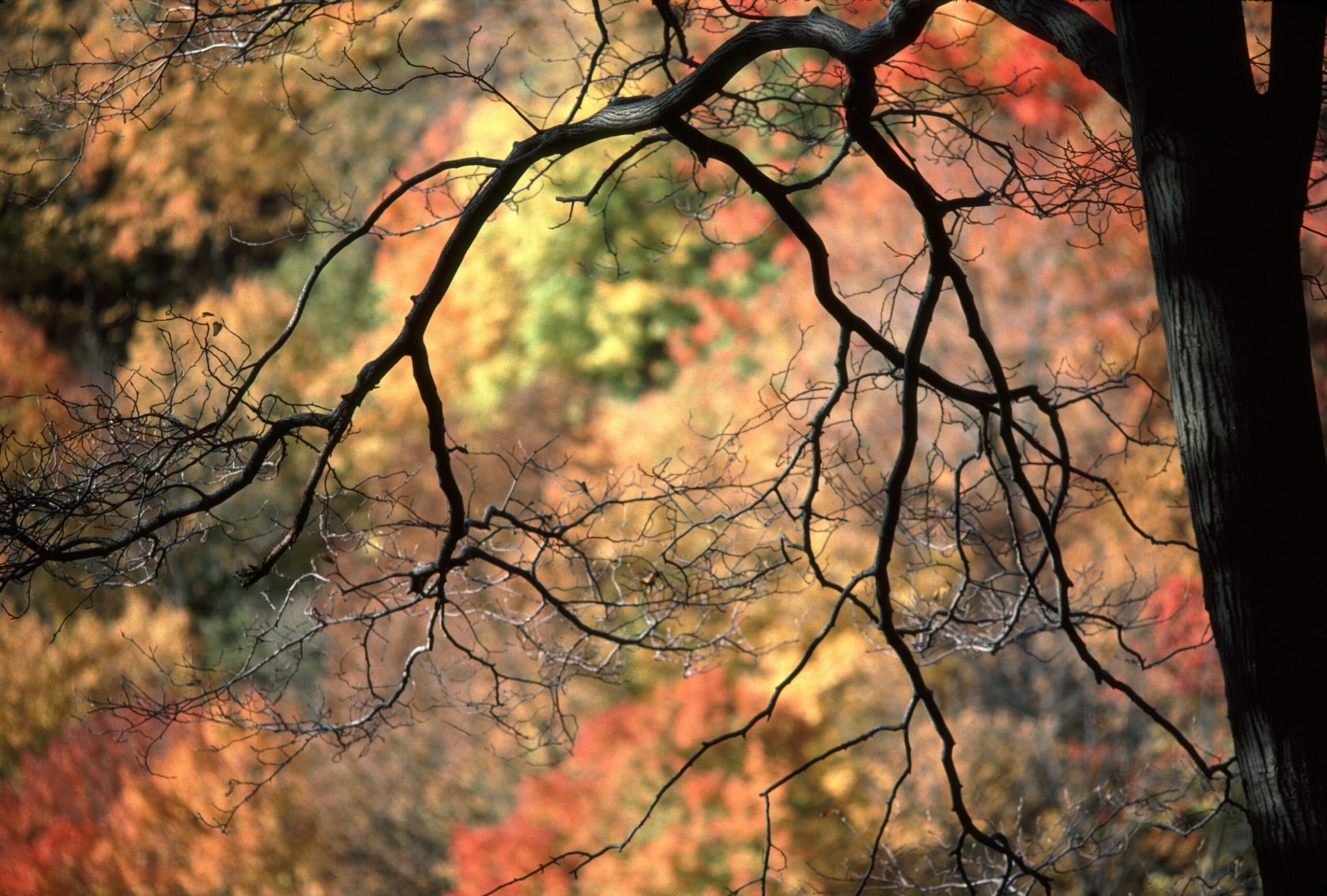
Where the trees burn gold in October and the lakes remember everything.
Where winters are long and spring arrives slowly, as if testing the ground to see if it’s ready
to forgive.
This is a place of silence and hum—of snowplows and songbirds, of freighters pushing ice aside
and children cracking through it with their boots.

We are a state with two hearts. One shaped like a hand, the other like an island that never
asked to be separate. Between them: bridges, rivers, rail lines, the memory of lumber and labor.
Salt and iron. Men with blackened hands and tired backs. Women who stitched together homes
with what they had. Towns that grew from smoke and steel and then shrank, quietly, into prayer.

There’s a kind of sorrow here you can taste in the tap water. Ask Flint.
A city that raised workers and writers, athletes and activists—and was left too long in the dark.
Children bathed in poison.
Mothers boiled water while the governor turned his head.
But still, they stayed. Still, they march. Still, they teach their daughters to braid each other’s hair
and keep the porch swept clean.
Flint is not done.
Flint is never done.

And Detroit—
Not the story they tell you on the news, or in the movies.
Not just burnt-out buildings or broken glass.
It’s people. It’s families. It’s block parties and cookouts, and someone shoveling the neighbor’s
sidewalk without being asked.
It’s corner stores with Plexiglas windows and good advice,
church choirs practicing with the windows open,
and kids shooting hoops under a crooked rim tied up with wire.

Detroit is what's left after the easy things fall away.
It’s the woman catching two buses to work.
It’s the man fixing up the house next door because no one else will.
It’s art pulled from scrap. Gardens planted in lots where houses used to be.
It’s music coming from somewhere, always—hip-hop, jazz, gospel, rock & roll—
sometimes all at once.

It’s not perfect.
It’s never been easy.
But it's still here.
Still trying. Still breathing. Still building something better.

Head north, and the land opens wide—marshes and mines, long shadows from old pine.
Walk the edges of a lake that looks like ocean. Skim stones. Breathe deep.
Listen for loons.
The Upper Peninsula is a place where solitude does not mean loneliness.
Here, even silence has a voice.

And scattered through it all:
Snowmobiles in backyards.
Eagles above the bay.
Old men in camo jackets standing outside party stores.
Pickup trucks with deer stickers and rosaries hanging from the mirror.
Teenagers skating on gas station curbs.
A girl in a prom dress at Meijer at midnight.
Church bells. County fairs. The smell of rain on pavement.

We hold a lot in our silences.
We remember what was lost, even if no one talks about it.
We know the ache of leaving, and the ache of staying.
But we also know how to build again, slowly, gently—sometimes with laughter, sometimes with
nothing more than two hands and a borrowed hammer.

Because here, we remember:
How to wave at passing cars.
How to patch a roof.
How to hold the door.
How to say "You good?" and mean it.
How to leave the porch light on just in case.

This is not just where we are from.
It’s where we belong.
Not because we earned it.
But because someone kept a place for us, just the same.