Seven Bells
They are studying homelessness at the high school, that’s what the kid said, as if it’s a thing on a petri dish, a common noun, or a mechanical device.
He spoke through the fence from where he stood on the sidewalk, the street was quiet. He wasn’t dressed for the weather, he was shivering, first week of November you need more than a school blazer.
In white words he asked if I’d help him with his project.
Mine was the only fire going, light was just sparking up between the buildings on one side and the trees on the other. I could have said anything back to him, or nothing at all, I could have told him to get lost and I might have, but just then a grapefruit flew between us like a breakneck sun. It came from Saint Rose, I’d rather get scurvy, she yelled.
She’s such a pirate.
The kid said some idiot in his class probably gave her the fruit as a bribe, he said everybody wanted to interview Saint Rose.
I told the kid to tell his friend Saint Rose preferred her fruit fermented.
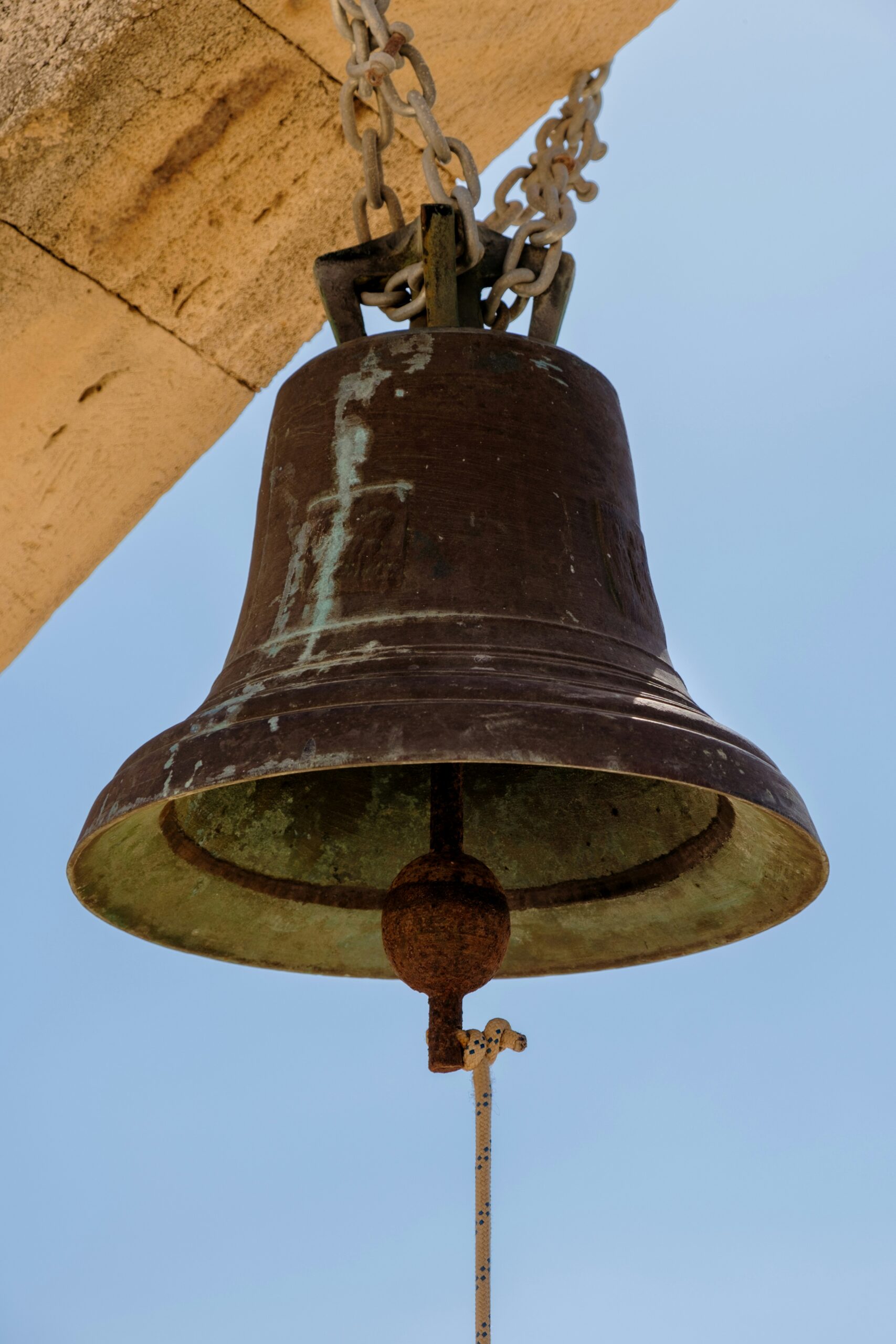
Seven bells peeled, he looked in their direction with interest. He sort of absorbed them, and when they quieted he said it again, earnestly through the fence as if I hadn’t heard the first time, we are exploring homelessness.
I shrugged and said, me too.
Project’s due tomorrow.
Don’t they teach you anything? —my words also white—tomorrow never comes. He asked if I would keep a diary of my day, and again I could have said anything, nothing, a pomegranate flew by, I reached for the bag he offered and placed it on the ground in front of me. Thank you, I’ll be back same time tomorrow.
There was a shake in his voice like residue from the seven bells he had swallowed, or perhaps he was just nervous, something else went by, similar to a lime but probably an avocado, it hit my retreating student in the shoulder, and fell to the ground a pear.
There’s a church you can see from here, with a bell tower, looks like it belongs on a crumbling coast somewhere, maybe the cliffs above the rough rubbled shores of Ireland, its white brick and sandstone walls absorb the light, maybe some sins, it glows.
We used to pile into its paupers’ cemetery at night, we’ll end up there anyway so not really trespassing like they said, more like practicing, but they have made it inhospitable. Armrests have been installed on the benches denoting individual seats, they prevent us from lying down, but give the impression of portioned-out generosity.
Little bright bulbs like falling stars but grapes, a galaxy of them land at my feet, the idiot who wanted the interview with Saint Rose pelts by. I say thanks for the grapes to her shape, they are cold and hard and sweet.
Things are starting to change here, it’s like the depiction of dawn in a musical, all the tents open at once and people stretch and yawn from them, some bolt. There’s an incohesiveness, a chaos that looks like it could snap into something choreographed, Gloria at the edge of the forest fencing with her umbrella, one-handed Marcus in a warrior two variation, a few others pushing and pulling, something of a rhythm comes, fires are lit, and here we are, in the combined glow of morning.
Somebody shouts out their madness, somebody else says, shut up Harry.
Such is life in Trinity Park, where tomorrow comes every single day to those of us who thought it never would.
Nine Bells
Here beneath the clouds I am Trinity’s gatekeeper, the criteria for admission are somewhat arbitrary, but for denial they are precise.
We feel time in our bones, the peal from the cathedral is the widest in North America; peal is measured in distance rather than decibel, the way I measure devils by their reach.
At nine bells dawn is over and we are looking for something else, the alcohol and drug seekers lurch away, other groups or couples fray, the rest of us go it alone, our searches individual. Mine is to find my self—the one who is courageous, whose heart beats with ferocity, who would have been a playwright—for it is this self to whom I trust my residue, mine own gatekeeper, the one who stores what is necessary and lets the rest go.
This life has few comforts, the daily discovery of this self is one, poetry seeps in already, for make no mistake, we are all poets, we homeless in Trinity Park.
Where do you think your gatekeepers rest?
Twelve Bells
I would have been a playwright.
Something like: A single beam of light on a size seven sweater hangs on the back of a chair in a hollow room. The owner of the sweater is missing. Her mother, by the window’s early light, picks the sweater up, sits in the chair, threads a needle and stitches along the sweater’s edges. The turquoise thread melts into the turquoise wool, the sweater is now a poor fit, her daughter’s delicate wrist bones rise like stones from the final row of knit-one-pearl-two stitches. She tries to remember if her daughter mentioned a double sleepover; she looks down the road watching for the girl to come to her like thread through a needle.
We time, we count—will the body before ours be the final to cascade into the cathedral ground?—when will they say when. We count cigarettes and coins, clouds, birds, we count empty bottles, years, and we count the bells, we believe we are for whom they toll, we hope there is room for one more, we are neither -full nor -less, hope’s proportions are various as the clouds, the starlings that give, at this time of year, shape to the sky.
One Bell
There is a woman who says, I am so far away from home, into the space between her and everyone who passes, the words travel through the fence, she says it in the same way others ask
for spare change. She makes the office girls with their shoes and handbags think of home, their aging mothers who iron in the next room, the window through which sheep sway over knitted green fields, their father’s miniature shape seems to stride along the windowsill.
Trinity Park is not entirely fenced in, we have 180 degrees of free forest that tumbles into a ravine after which the birch rise again and thin, for a few flat miles only grass rolls, and then railroad tracks—show me a homeless heart that is not stirred by the whistle of a train—and then Lake Superior. We know of its wildness but see no evidence; from here it looks contained under glass, impossibly gigantic ships appear, one wonders how they stay afloat. The office girls who walk along the sidewalk on the other side of the fence feel the same about the old men who gaze at these ships as if lending them buoyancy, they wonder how the men stay alive.
Nocturnal Matik yells in her sleep, her teepee in full sun now, she pleads for a canoe. Every night she tells the same fireside tale of when she was forced into a boat that took her from her home on the reserve to assumed safety, her mother yelled from the shore for her to sit backwards and memorize the way. This was Lake of the Woods, brimming with islands, Matik says even now she could get home if only she had a canoe, that the islands are fixed behind her eyes, when she walks, she paddles.
There is a knot of women who gather at one bell upon a picnic bench that has been burned in the center. They are the trolls at our gates, my helpers—they keep the gawkers away while I consider the candidates—their stringy hair and fattened bodies roll and smash together, clothing like seaweed. They are a coven of toothless wretches, they shout and laugh at those who work across the street, the ambitious young, who they say will one day take their place.
One bell reminds us of our loneliness, the ramifications of the other shoe that must surely drop. I warm soup in an iron pot that hangs over my fire; they come to it with tin cups like a Dickens’ story, like we are acting in a renaissance play, many of us forget the audition, we don’t know quite how we landed the part.
Homelessness is not a condition nor a profession but an art.
Four Bells
My student dressed for the weather after all. Four bells, it’s warm, more September than November. Everybody loosens, the high school kids drape their jackets over their shoulders, our trolls strip their weeds. I spy my student, he is younger than he seemed this morning, his face fresh and bright. I look up from the lined page and catch his eye. I wonder how he sees me, my beard blackly pointing toward the ships, my own I am so far away from home in its furls. Is it possible he sees me as the playwright I would have been, my poetic stanzas all lined up? Sometimes I want the words to be less perfect, less proper, my education betrays my heart; I want to say things as they are and leave the superfluous, I want to say fuck off and I end up saying fuck thee off.
I hunch to my work, the wind into my straining mouth.
Four bells is when the door to sanity starts to close, the other door is also closed. We are in a variation of purgatory, not unlike the warm space between the doors to the barroom, the one behind us closed against the winterous outdoors, the other closed, we wait.
The skies are porous, perilous—when will the darkness?
Eight Bells
At eight bells Harry’s madness torques, Saint Rose spreads curses, Marcus feels for his pulse with his missing hand, our trolls haggle, the skeleton of Gloria’s umbrella creeps away, Matik madly paddles—this is the underside of fairy tales—the forest ragged and barely distinguishable from the sky, sirens on the other side, trains roar.
There is enough light to continue writing on the lined paper, my student will return tomorrow morning at seven bells and I will hand my pages over to him, my careful words designed to add weight to his bones and allow no monsters beneath.
Seven Bells
Mornings feel as if my tent is plunged into light, its sensitive skin glows from the bottom up, there are no rips but plenty of scars, soon the bells will soften into snow and during those harsh and beautiful months their peels do not reach us.
Do they toll for thee?
Spring will once more come like a blessing and my tent will again dip into light and warmth, our trolls will frolic, Saint Rose will scurry through the city and return rich, Matik will cry out for her canoe, we count, feral Harry may have fallen into the final space in the paupers’ grave, we remember our far away homes, our mothers in the next room, our fathers in the fields, the floating sheep, the ships will continue, the shivering city, the trains through our shoulders.
I pack my pages into the bag like an inheritance, an avalanche of truth, a few secrets for my student who didn’t ask for advice.
I angle the bag through the fence, he thanks me, I know he is grateful, and he walks away with the bag, he carries it carefully as if it contains something living. He turns and looks at me with electricity, he already has the sparkling notion that life is no less a miracle when seen from the inside of a pale and worn tent.
Sherry Cassells
Sherry Cassells has written novels, novellas, funny serials, peculiar screenplays, a sitcom, a gazillion short stories, and some scary non-fiction. It’s the short stories she loves best. She writes the kinds of stories she longs for and can rarely find. Her work has been published in magazines, anthologies, journals, literary presses, and in 2022 one of her stories was nominated for a Pushcart Prize. She is passionately involved in many make-believe lives, relevant and purposeful lives of substance. Her favorite place is Lake Superior; she is most at home on home row, and she lives in the wilds of Ontario where she chases the cursor with guts and hope.