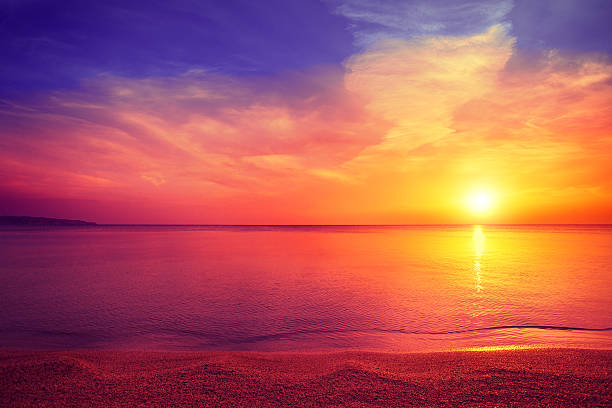
The sunrise was orange and pink today. Red skies in the morning, sailors take warning. A foghorn from a freighter blows in the distance, while a car alarm screams outside the door.
It’s time to talk, you say.
Yes, I know. But what we need to say has no room here. These city streets are too loud. There’s music, shouting, all the time. Dirty sidewalks, potholes, sour smells, the hum of trucks that just won’t rest. Too many people, too close. They might overhear, they won’t understand.
So let’s drive. Just a few minutes, down dusty highways, through burned-out streets, and over a bridge. We’re welcomed by a tollbooth, but it’s empty. No one keeps track most days. Some buildings, once grand, look tired now. Still, I’m always brought to life here as the car stops.
Belle Isle, the beautiful island. French words, a nod to its own history. Finally a place in this city with enough space to breathe.
The bright blue water looks like it belongs in the tropics, but don’t be fooled. It’s ice-cold even after the ice melts. It’s a river with waves, a deep channel connecting Huron and Erie, with seagulls and freighters that brave the storms, connecting people, goods, and nature, keeping life going. The water comes bright, frigid, fast, and clean from Superior’s depths, flowing down through prehistoric glacial paths, unchangeable curves we’ve all had to learn to grow around. Far downriver, this wild water will slow as it empties into more lakes, more rivers, and then the ocean. It makes me sad to see it lose its power.
Long ago, cooled volcanic lava formed the land currently beneath our feet. It was part of a supercontinent near the equator and covered by a warm, shallow sea. Then, the continent split, drifted north, and settled in for the ice ages. Glaciers carved massive inland seas and rivers that filled when the ice melted. Fossils of coral, from long before the dinosaurs, still dot the shores of all five Great Lakes. Eyes that know how to look can find them easily.
The river around this island brought life to the first peoples, the Anishinaabe, and they reverenced it and welcomed its gifts. Then, it carried in the French fur traders and missionaries from abroad, moving them quietly upstream in canoes with their curiosity, pelts, and prayers. But soon after, guns, wars, and ships arrived, overflowing from a continent with more greed than it could hold. Flags were planted on the shore, the land was cut into homesteads, wagon wheels treaded paths into roads, families grew. The island remained a place of peace held in common, with livestock and gardens.
These shores held the final stop on the Underground Railroad for many. Freedom across the river welcomed the ones who crossed in paddling boats or with steady footsteps across the frozen ice. Later, during Prohibition, whiskey came back across in the same way.
Following the fashions of east coast cities, the island became a city park, designed by the same architect responsible for bringing Central Park to life in New York. By the time of Model Ts and Motown, it had emerged as a summer resort, an equalizing natural playground, beauty for everyone.
But then came the riots, the gangs, the flight from the city. The ones who remained rightly feared it as a wasteland of destitution, violence, and shame and they stayed away. Fish and birds died, poisoned by industries with no mercy, and it seemed fit for nothing living.
Until not long ago. This latest chapter. The poison stopped, and the city grew again, stronger than ever this time: one rebuilt home at a time. And right on time, nature started to heal. Those cold Great Lakes waters, always fresh, kept flowing. Fish and birds came back. A few years ago, an otter was spotted swimming in the river after decades of being believed to be locally extinct. Both sides of the border came together in celebration to welcome it home. On the island, families returned, buildings reopened, and picnics, swimming and laughter filled the shores again. All that time, nature had never forgotten the power it takes to be alive.
We get out of the car, bracing ourselves against the wind, remembering with each icy blast that we too are not dead. A few fishermen are scattered on the shores, but otherwise, we are alone. It is time to talk, time to share our stories and speak our truths. We finally found a place that can hold them.
This island’s story is our story too. So let’s walk around the island, all around it. Let’s trace each rocky crevice with our footsteps, listen to the waves, and learn the stories that the fossils and the geese have always known. We’ll trace a map of the chasms of our hearts, our secrets, and our own stories of redemption as we go.
Lauren Adderly
Lauren is a middle school math teacher from southern New Jersey who writes poetry and prose to explore the intersection between society, nature, and personal experiences. She studied biology, theology, and peace and justice at Villanova University and is currently finishing a graduate program in special education at Rowan University. Before moving back to New Jersey a few years ago, she was an elementary school teacher in Detroit for five years. Her love for the Great Lakes emerged there, and she will always keep a part of Michigan close to her heart.